
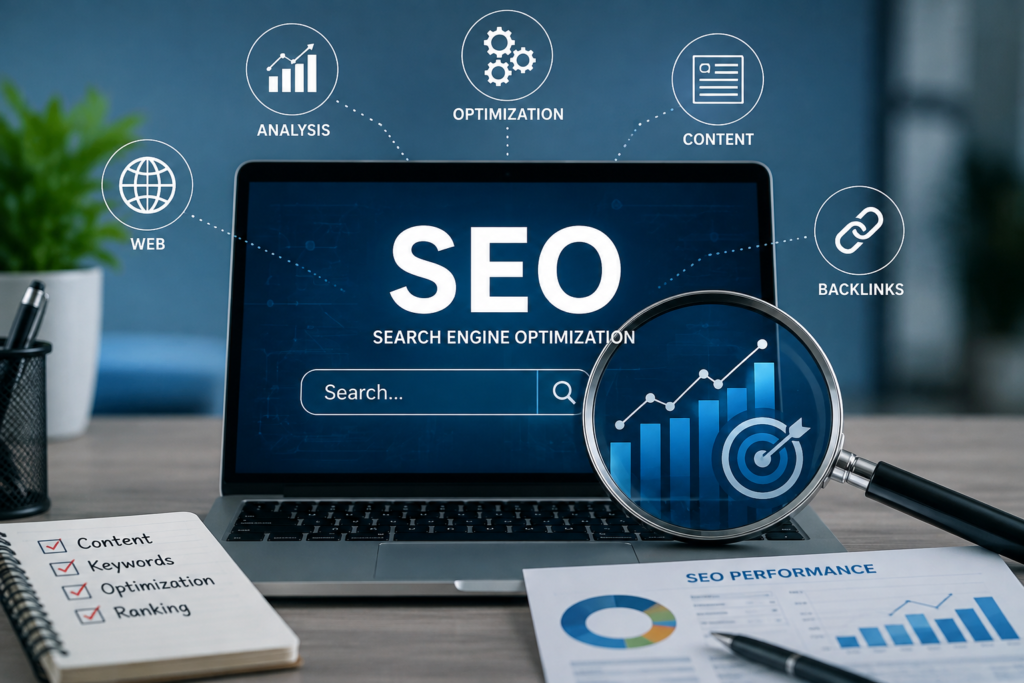
What is SEO? Search Engine Optimization (SEO) is the process of improving a website so that search engines can better understand its content and show it to people searching for relevant information, products, or services.
In a digital world where millions of searches happen every day, simply having a website is not enough. SEO helps your website become discoverable, relevant, and valuable to the right audience.
What is SEO? Why Does SEO Matter?
Understanding what is SEO can help businesses make better decisions about their online visibility and content strategy.
Think of Google as a huge digital library and your website as one book among millions. SEO helps search engines understand what your website is about, who it is useful for, and when it should appear in search results.
A well-planned SEO strategy can help businesses:
- Improve organic search visibility
- Attract relevant website visitors
- Build long-term online credibility
- Generate potential leads and customers
- Reduce dependence on paid advertising
- Create a stronger digital presence
How Does SEO Work?
Search engines generally discover, understand, and organize web content before deciding which pages are most relevant for a particular search.
SEO focuses on making this process easier through three important areas:
1. On-Page SEO
On-page SEO focuses on elements within your website, such as:
- Relevant keywords
- SEO-friendly titles and meta descriptions
- Proper heading structure
- Helpful and original content
- Image optimization
- Internal linking
- User-friendly URLs
The goal is to make your content easy for both search engines and users to understand.
2. Off-Page SEO
Off-page SEO focuses on activities outside your website that can strengthen its authority and reputation.
Examples include:
- Quality backlinks
- Guest posting
- Digital PR
- Brand mentions
- Relevant online communities
The focus should always be on earning genuine authority rather than collecting links simply for quantity.
3. Technical SEO
Technical SEO improves the foundation of a website so that search engines can efficiently crawl and understand it.
Important areas include:
- Website speed
- Mobile friendliness
- Secure HTTPS connection
- XML sitemaps
- Crawlability
- Structured data
- Core Web Vitals
A technically strong website creates a better foundation for your overall SEO strategy.
Key Benefits of SEO
SEO is not only about getting higher rankings. It is about creating a better experience for users while helping search engines understand your website. A consistent SEO strategy can provide several long-term benefits.
- Better visibility: Your website can reach people actively searching for topics related to your business.
- Targeted traffic: SEO helps attract visitors who are more likely to be interested in your products, services, or information.
- Long-term growth: Unlike short-term promotional campaigns, SEO can continue generating organic traffic when maintained consistently.
- Improved user experience: SEO often encourages faster loading pages, mobile-friendly design, clear navigation, and useful content.
- Greater credibility: Websites that provide helpful, trustworthy, and relevant information can build stronger relationships with their audience.
SEO Best Practices for Beginners
For beginners, What Is SEO is the right question to start with before learning advanced optimization techniques.
If you are new to SEO, start with the fundamentals instead of trying to optimize everything at once. Create useful content that answers real questions and naturally incorporates relevant keywords. Use clear page titles, descriptive URLs, organized headings, and meaningful image alt text.
It is also important to make your website easy to navigate and accessible on mobile devices. Regularly monitor your website performance, identify technical issues, and update older content when the information becomes outdated.
Most importantly, SEO is a long-term process. Search rankings may take time to improve, so focus on consistently creating value rather than looking for quick results.
For more guidance on SEO, you can explore Google Search Central and its official documentation.
Conclusion
What Is SEO? At its core, SEO is a combination of content, technical improvements, user experience, and online authority that helps a website become more visible in organic search results.
By understanding on-page, off-page, and technical SEO, beginners can build a strong foundation for improving website visibility and attracting relevant organic traffic. With consistent effort, useful content, and a user-first approach, SEO can become an important part of long-term digital growth.
-
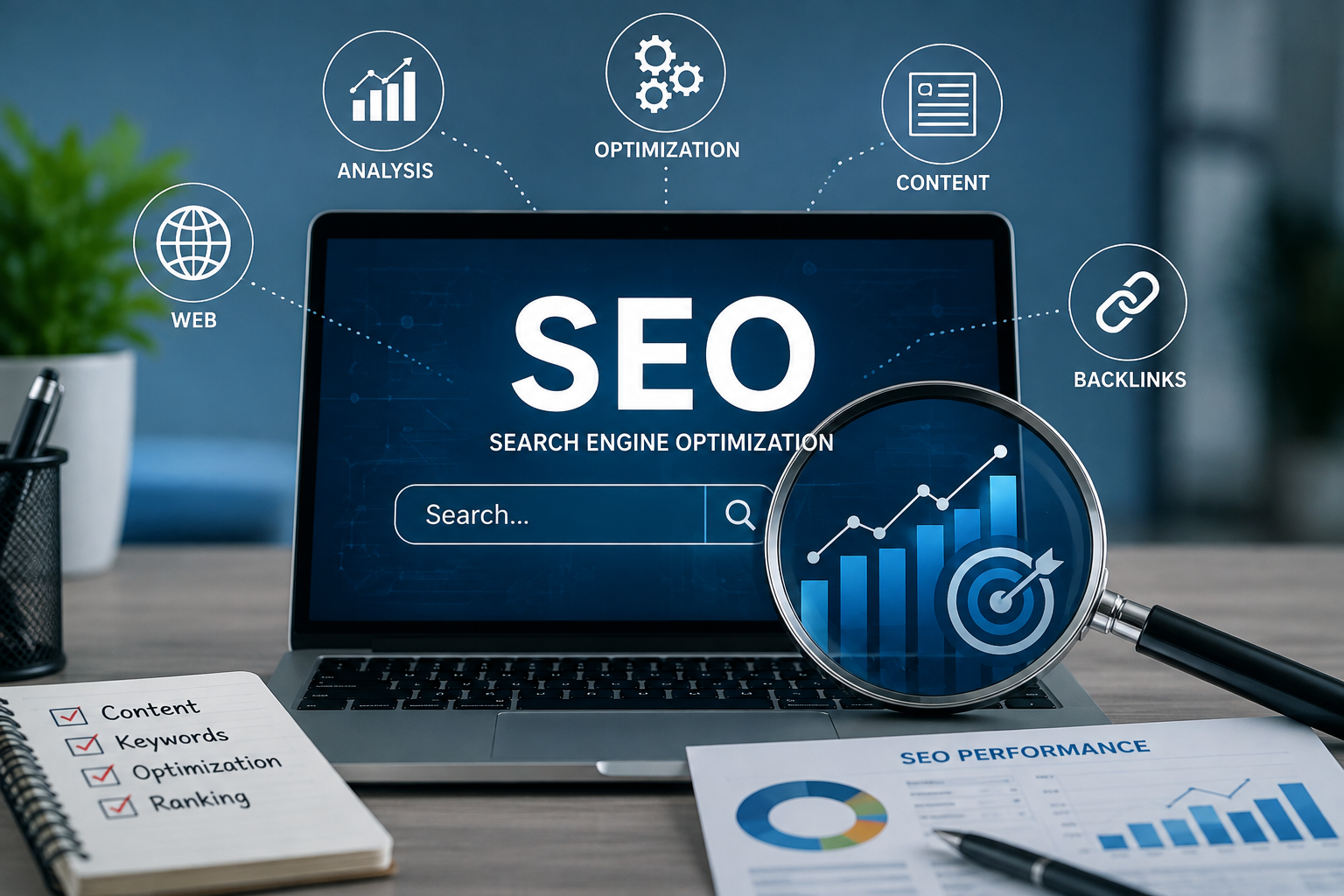
What Is SEO? A Beginner’s Guide to Search Engine Optimization
Discover the fundamentals of SEO, from on-page and off-page optimization to technical SEO, and learn how search engine optimization can improve a website’s visibility.
-
What Is SEO? A Beginner’s Guide to Search Engine Optimization
Discover the fundamentals of SEO, from on-page and off-page optimization to technical SEO, and learn how search engine optimization can improve a website’s visibility.
-
What Is SEO? A Beginner’s Guide to Search Engine Optimization
Discover the fundamentals of SEO, from on-page and off-page optimization to technical SEO, and learn how search engine optimization can improve a website’s visibility.
-
What Is SEO? A Beginner’s Guide to Search Engine Optimization
Discover the fundamentals of SEO, from on-page and off-page optimization to technical SEO, and learn how search engine optimization can improve a website’s visibility.